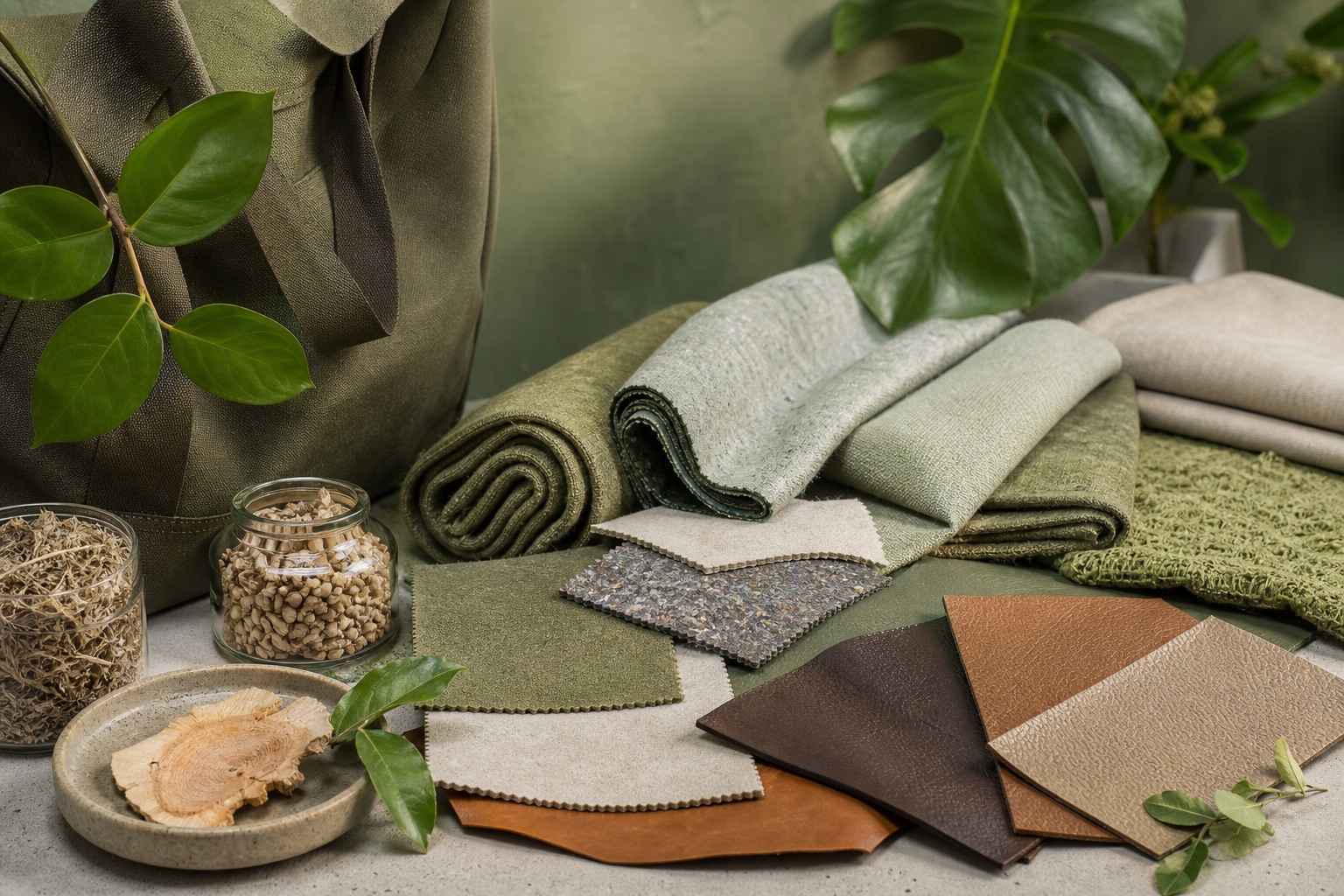
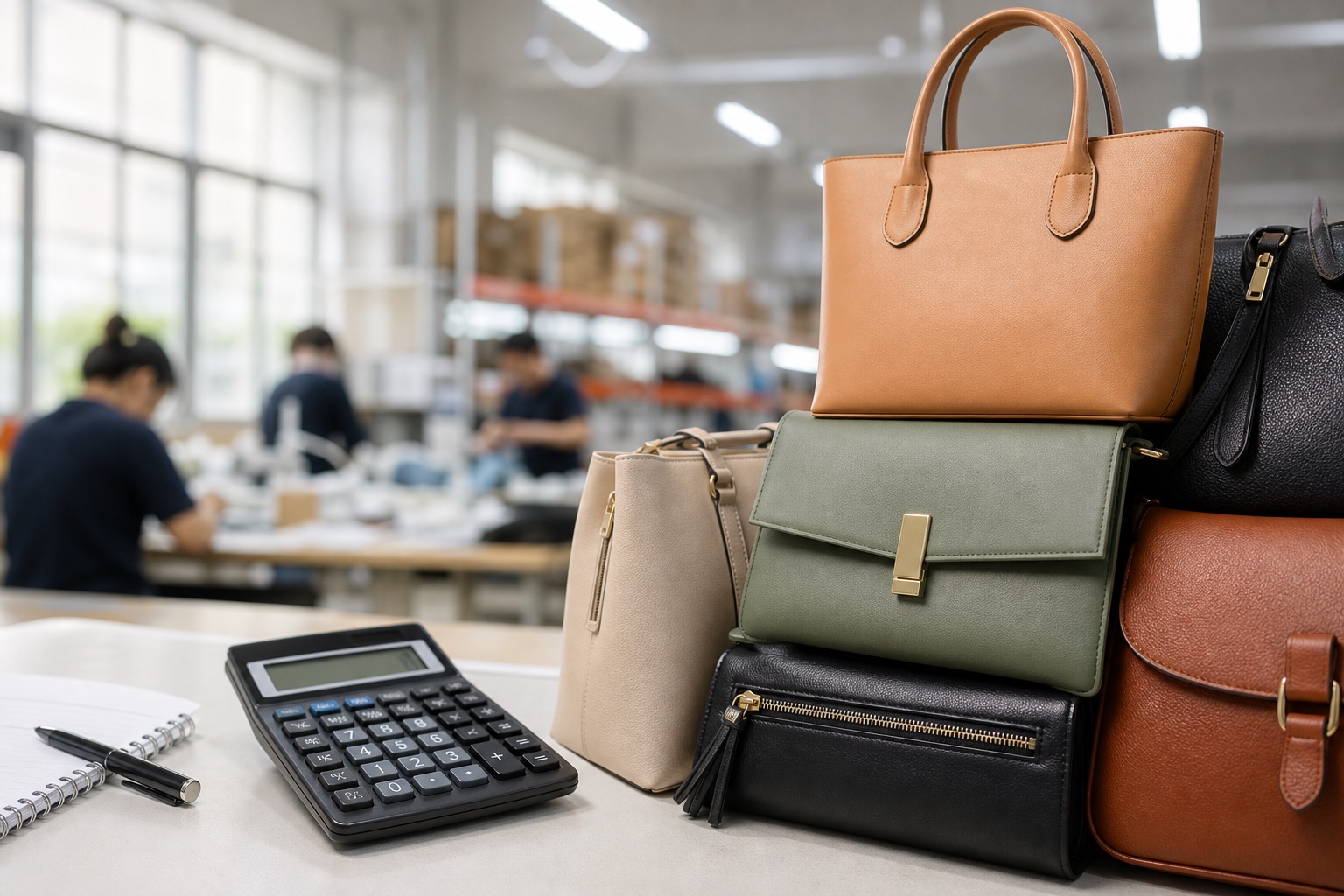
Material selection is the foundation of every successful bag line. It drives unit cost, perceived value, durability, compliance requirements, and how your product performs in retail or promotional channels. For B2B buyers sourcing from China, the decision is rarely about picking the "best" fabric—it is about matching material properties to your target market, price point, and usage environment.
This guide compares the most common bag materials used in wholesale and private-label production. Use it during tech pack development, factory negotiations, and line planning to make informed trade-offs rather than defaulting to whatever sample looks good on a trade show table.
Understanding Key Material Metrics
Before comparing fabrics, align on the specifications factories use in quotes and production:
- GSM (grams per square meter): Indicates fabric weight and density. Higher GSM generally means more durability but also higher cost and shipping weight.
- Denier (D): Common for nylon and polyester. 600D–1680D is typical for backpacks and travel bags; 210D–420D for linings and lightweight daypacks.
- Coating: PU coating, PVC backing, or TPU lamination affects water resistance and hand feel.
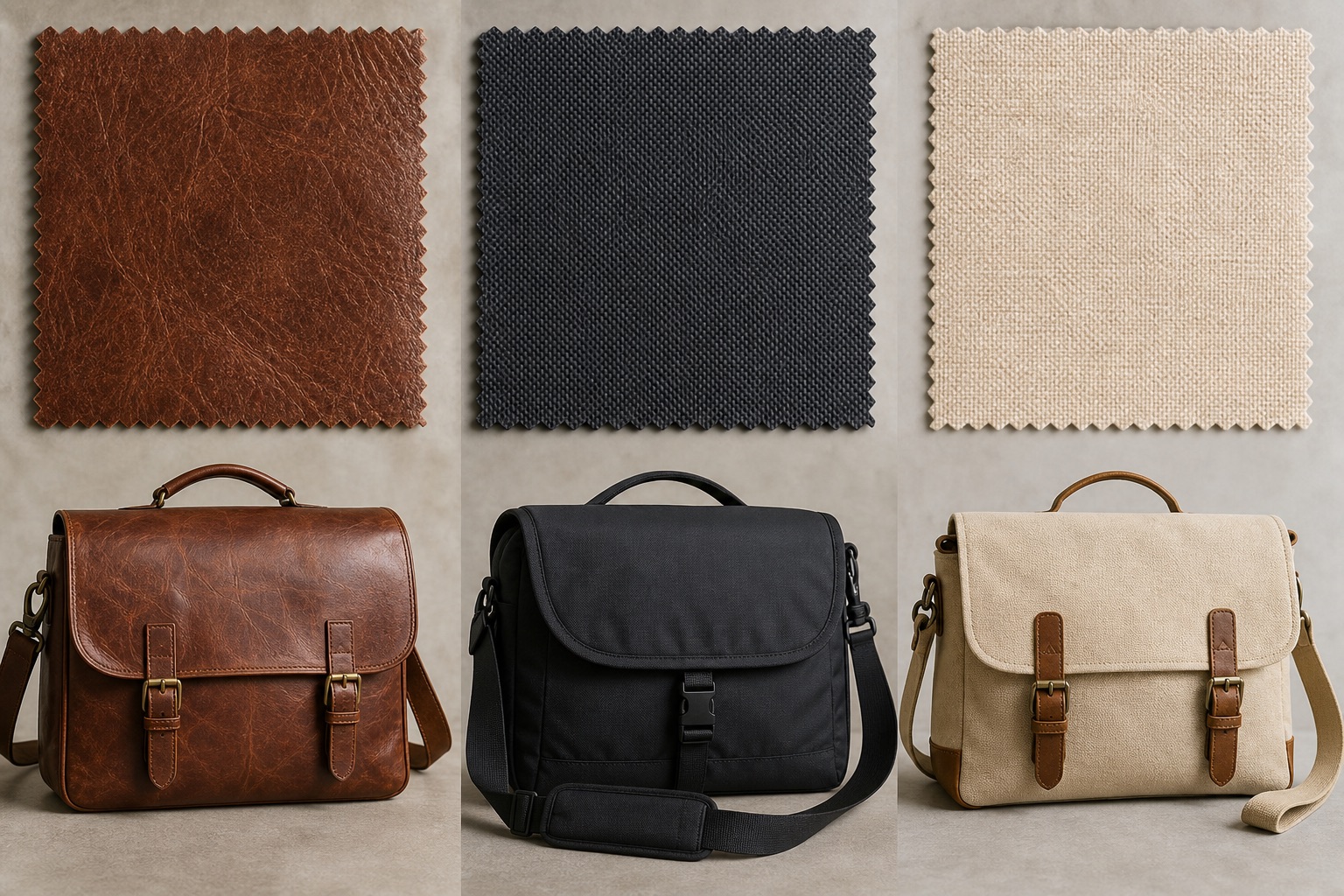
- Grain and finish: For PU and genuine leather, surface texture (pebble, saffiano, nubuck) affects both aesthetics and scratch resistance.
Always request material swatches and lab dip approvals before bulk cutting. A "nylon backpack" quote can vary by 40% depending on denier, coating, and whether the factory uses branded yarn (e.g., Cordura) or generic equivalents.
Side-by-Side Material Comparison
| Material | Best For | Typical GSM / Spec | Price Tier |
|---|---|---|---|
| Nylon (600D–1680D) | Backpacks, travel bags, outdoor packs | 600D–1680D, PU-coated | Mid |
| Canvas / Cotton | Totes, aprons, casual carry, eco branding | 8–16 oz canvas | Low–Mid |
| PU Leather | Handbags, laptop bags, fashion lines | 0.8–1.2 mm thickness | Mid |
| Genuine Leather | Premium handbags, briefcases, luggage | Full-grain or top-grain | High |
| Recycled PET (rPET) | Sustainable totes, corporate gifts, retail | 300D–600D rPET | Mid–High |
Nylon and Polyester: Performance Workhorses
When to Choose Synthetic Wovens
Nylon and polyester dominate the backpack, duffel, and travel bag categories for good reason. They offer excellent strength-to-weight ratio, abrasion resistance, and consistent dye results across large production runs. Coated nylon (PU or PVC) adds water resistance suitable for commuter bags and outdoor applications.
For B2B buyers, specify denier, coating type, and whether recycled content is required. Branded nylons like Cordura command premium pricing but deliver proven durability that supports longer warranties and fewer returns. Generic 600D nylon works well for promotional and mid-market lines where cost control is the priority.
Common Pitfalls
Low-quality nylon may delaminate after repeated flexing, especially at stress points like strap attachments. Request factory test data or conduct your own abrasion and peel tests on pre-production samples. Also confirm colorfastness to light and rubbing—critical for bags displayed in bright retail environments.
Canvas and Cotton: Natural Appeal with Trade-Offs
Canvas remains popular for tote bags, aprons, tool pouches, and lifestyle brands emphasizing natural aesthetics. Organic cotton and GOTS-certified canvas support sustainability claims but increase MOQ and lead time due to limited supplier pools.
Canvas absorbs moisture unless treated with wax or PU backing. It is heavier than synthetic alternatives, which affects freight cost on high-volume orders. For promotional totes, 10–12 oz canvas strikes a balance between structure and cost. Structured bags may require interfacing or laminated backing to prevent sagging.
PU Leather vs. Genuine Leather
PU (Polyurethane) Leather
PU leather delivers a leather-like appearance at a fraction of the cost, making it the default for fashion handbags, laptop sleeves, and private-label lines targeting the $30–$80 retail band. Quality varies dramatically: premium microfiber PU feels supple and resists peeling; cheap PVC blends crack within months.
Specify thickness (typically 0.8–1.2 mm for bags), backing fabric (usually woven polyester), and surface treatment. Ask for aging test reports or prior customer return data when switching suppliers.
Genuine Leather
Full-grain and top-grain leather define premium positioning. Expect higher MOQs, longer lead times, and strict humidity control during shipping. Leather bags require skilled cutting to minimize waste—yield rates directly affect unit cost. Compliance with REACH and Prop 65 is essential, as tanning chemicals are regulated in EU and US markets.
Recycled and Sustainable Materials
rPET fabric made from post-consumer bottles is now standard for eco-conscious corporate and retail lines. Verify chain-of-custody documentation (GRS certification) if you plan to market recycled content claims. Recycled nylon (e.g., Econyl) suits premium outdoor and travel categories but costs 20–40% more than virgin nylon.
Paper-based Tyvek, cork, and plant-based "leather" alternatives are niche options gaining traction. Test durability against your use case before committing to large runs—these materials often require different construction techniques and hardware compatibility.
How Material Choice Affects MOQ and Lead Time
| Material | Typical MOQ Impact | Lead Time Factor | Notes |
|---|---|---|---|
| Standard nylon / canvas | Low—stock colors available | Standard (25–45 days) | Fastest path to production |
| Custom-dyed fabric | Medium—300–500 kg yarn MOQ | +7–14 days for dyeing | Lab dip approval required |
| PU leather (custom color) | Medium–High | +10–20 days | Color matching takes iteration |
| Genuine leather | High | +14–30 days | Hide selection and yield variability |
Compliance and Testing by Material
Regulatory requirements vary by material and destination market. Textile bags sold in the EU often need REACH compliance and may require OEKO-TEX certification. Children's bags in the US must meet CPSIA limits on lead and phthalates. Leather goods need chemical testing for chromium VI and formaldehyde. PU leather should be tested for DMF (dimethyl fumarate) and restricted phthalates.
Build testing into your sourcing budget: $200–$800 per material SKU for a standard compliance panel is typical. Reputable factories provide historical test reports but you should retest when changing suppliers or formulations.
Making the Right Choice for Your Line
Start from your customer's expectations, not from factory defaults. A corporate gift tote prioritizes print quality and cost—12 oz canvas or 300D rPET may suffice. A daily commuter backpack needs 900D+ nylon, reinforced stitching, and quality zippers. A premium handbag line justifies top-grain leather or high-grade microfiber PU with metal hardware.
Document your material spec in the tech pack with GSM, denier, coating, color codes, and approved swatch references. Lock materials at pre-production sample approval to prevent substitution during bulk production. The right material match protects your brand, controls returns, and gives your sales team a credible story in every pitch.