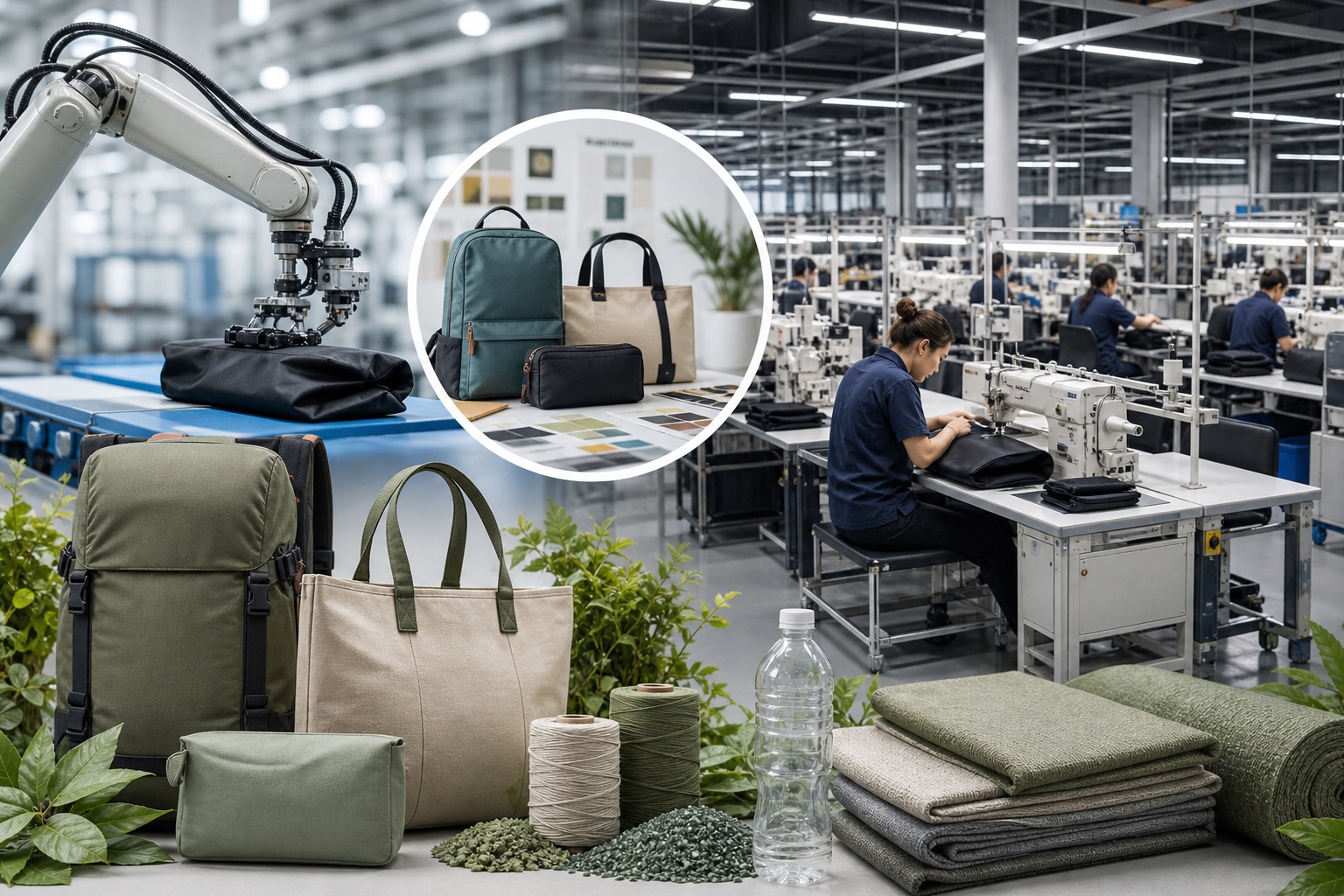
China remains the world's largest hub for bag manufacturing, producing everything from promotional totes and school backpacks to luxury leather handbags and technical outdoor packs. For B2B buyers, the opportunity is clear: competitive pricing, deep material supply chains, and factories that can scale from hundreds to hundreds of thousands of units. The challenge is finding a partner you can trust for quality, lead times, and compliance—not just the lowest quote on Alibaba.
This guide walks you through a proven vetting process used by experienced importers, distributors, and private-label brands. Whether you are launching your first wholesale line or switching factories after a quality failure, these steps help you reduce risk and build a relationship that lasts beyond a single purchase order.

Define Your Product Requirements Before You Search
Before contacting any factory, document exactly what you need. Vague briefs attract vague quotes and mismatched capabilities. At minimum, prepare:
- Product category (tote, backpack, duffel, cooler bag, laptop sleeve, etc.)
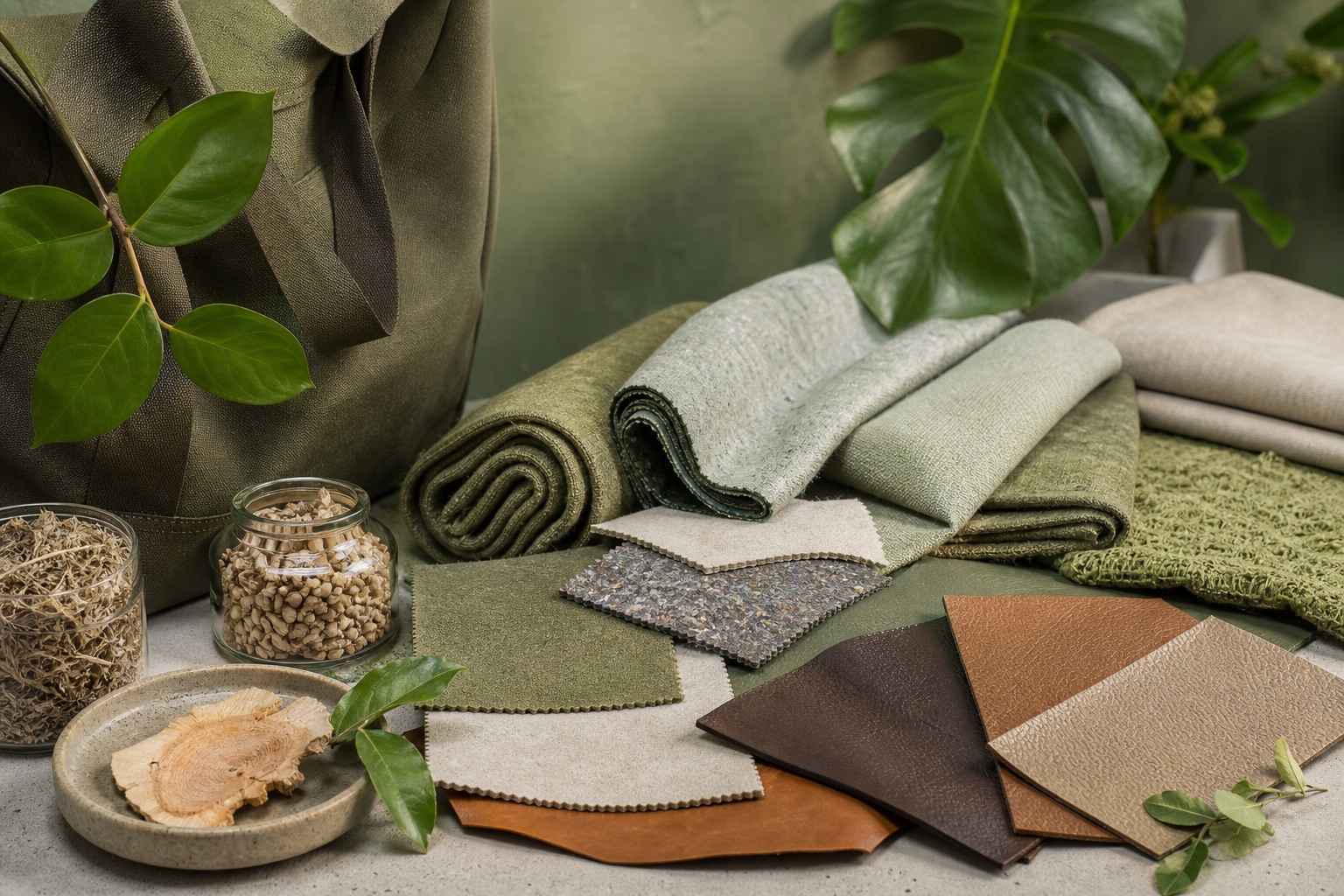
- Target materials (canvas, nylon, PU leather, genuine leather, recycled PET)
- Estimated annual volume and first-order quantity
- Target FOB price range and destination market
- Branding method (woven label, heat transfer, embroidery, debossing)
- Compliance requirements (REACH, CPSIA, Prop 65, OEKO-TEX, etc.)
Factories specialize. A facility excelling at promotional non-woven totes may struggle with structured leather satchels. Matching your product type to a manufacturer's core competency is the single biggest predictor of success.
Where to Find Reliable Bag Factories
Industry Clusters and Trade Shows
Most bag production concentrates in Guangdong (Guangzhou, Dongguan, Shenzhen), Zhejiang (Yiwu, Wenzhou), and Fujian. Canton Fair and Global Sources Hong Kong remain valuable for meeting suppliers face-to-face. Online platforms like Alibaba, Made-in-China, and direct factory websites are useful for discovery, but treat every listing as a starting point—not proof of capability.
Referrals and Third-Party Verification
Ask other buyers in your niche for referrals. A factory that serves established brands in your category has already passed real-world quality tests. Supplement referrals with third-party audits (SGS, Bureau Veritas, QIMA) when order values justify the cost.
Evaluate Factory Capabilities Systematically
Use a scorecard rather than gut feeling. Rate each candidate across these dimensions:
| Criteria | What to Check | Green Flag | Red Flag |
|---|---|---|---|
| Experience | Years in business, export markets served | 5+ years, repeat clients in your category | No verifiable export history |
| Production | In-house cutting, sewing, QC vs. outsourcing | Integrated lines, visible WIP control | Cannot explain production flow |
| MOQ & Pricing | Minimums per SKU, price breaks by volume | Transparent tier pricing, flexible first runs | MOQ changes after deposit |
| Quality Control | AQL standards, inline and final inspection | Documented QC checklist, AQL 2.5 or better | No QC process documentation |
Request Samples and a Tech Pack
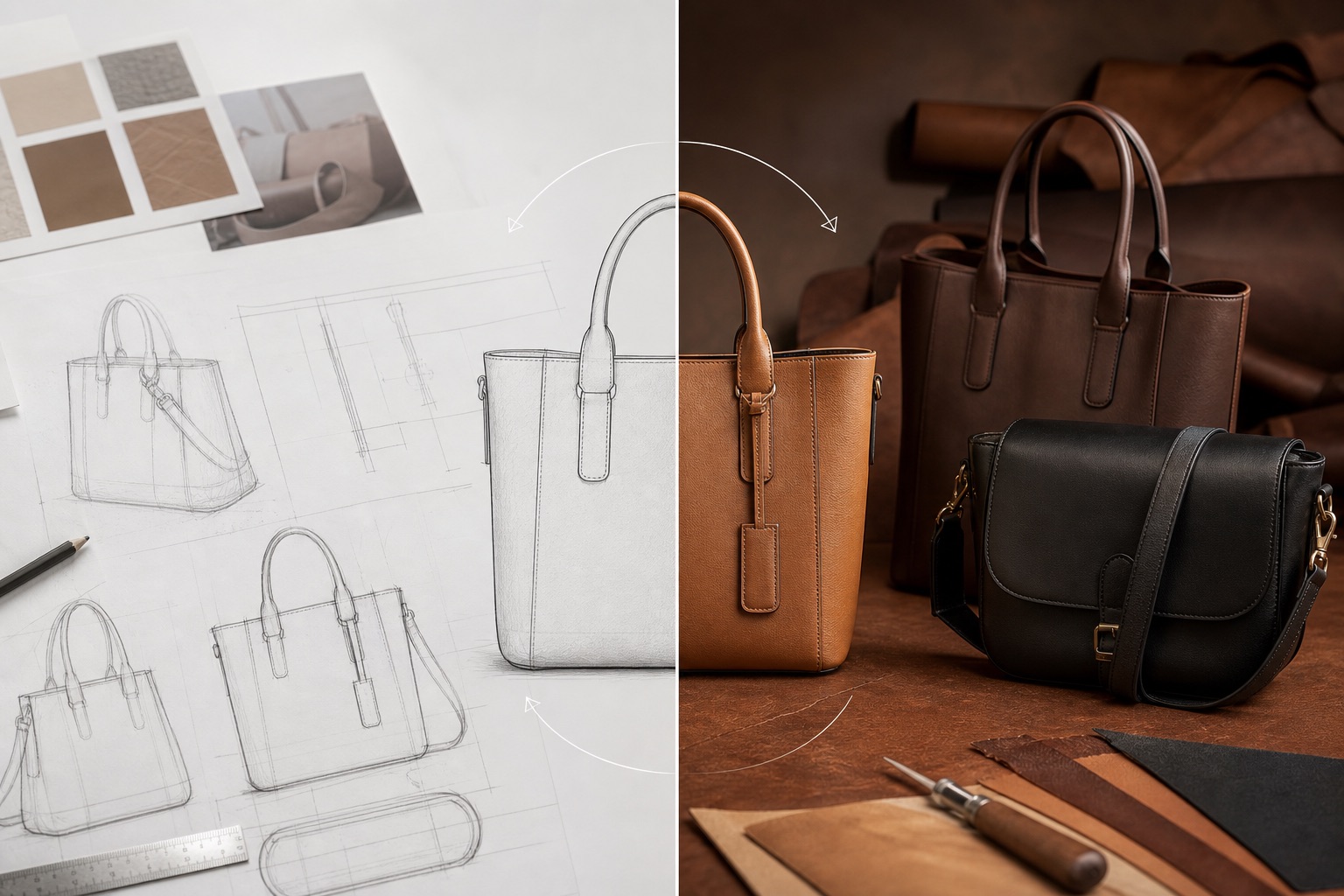
Never place a bulk order without a pre-production sample (PPS). Provide a tech pack with dimensions, material specs, Pantone colors, stitch counts, and hardware part numbers. Compare the returned sample against your spec line by line. Charge sample fees are normal; reputable factories often credit them against the first bulk order.
Conduct a Factory Audit—Virtual or On-Site
For orders above $20,000, an on-site or video audit pays for itself. Verify production capacity, worker conditions, raw material storage, and whether the facility actually matches what sales promised. Trading companies sometimes pose as manufacturers; ask for business license details and factory gate photos with consistent branding.
Negotiate Terms That Protect Both Parties
Clear commercial terms prevent disputes. Key points to align on:
- Payment: Typical structure is 30% deposit, 70% before shipment. Avoid 100% upfront with new suppliers.
- Lead time: Confirm production days after PPS approval and material arrival. Build buffer for Chinese New Year shutdowns.
- Incoterms: FOB is standard for sea freight; clarify who arranges freight and insurance.
- Defect allowance: Agree on AQL level and remedy ( rework, replacement, credit).
- IP protection: Sign an NDA before sharing designs; clarify mold and plate ownership.
Build a Long-Term Partnership Mindset
The best Chinese bag manufacturers invest in clients who commit to growth. Share sell-through data, forecast upcoming seasons, and involve the factory early in design feasibility. Factories that understand your market will suggest material alternatives, cost-down options, and construction improvements that strengthen your line over time.
Choosing a bag manufacturer in China is not a one-time transaction—it is supplier relationship management. Start narrow: one SKU, one factory, one successful delivery. Scale what works. The factories that earn repeat business are those that communicate honestly about delays, maintain consistent quality batch to batch, and treat your brand reputation as their own.
Keep a simple supplier scorecard after your first order: on-time delivery, defect rate, response time, and willingness to resolve issues. Revisit it every quarter. The best sourcing relationships grow from consistent performance data—not just a strong first impression at a trade show.