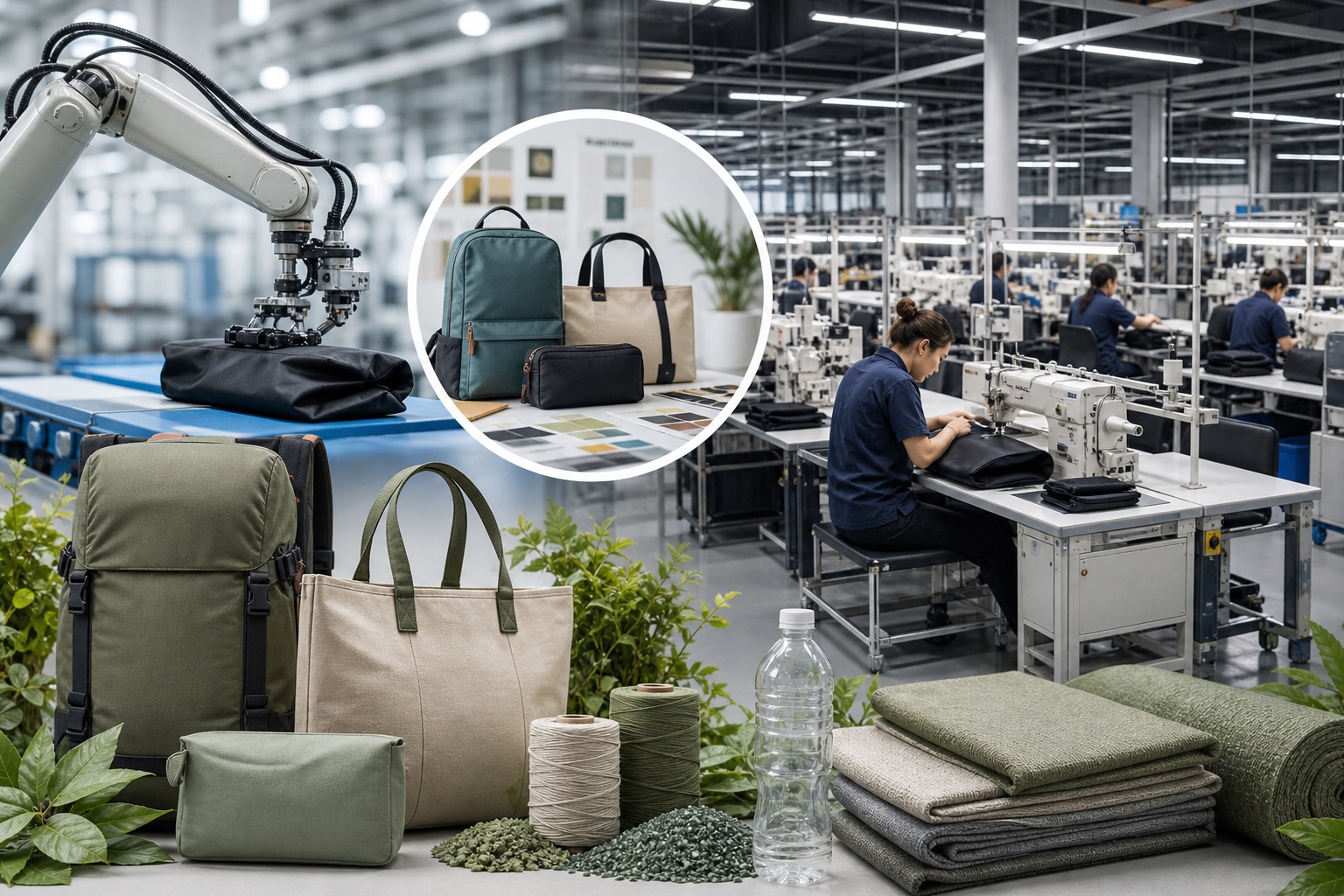
Minimum Order Quantity (MOQ) is one of the first—and most misunderstood—terms in wholesale bag sourcing. Factories quote MOQ in nearly every inquiry, yet buyers often receive conflicting numbers for what seems like the same product. Understanding why MOQs exist, how they vary by bag type, and what levers you can pull to negotiate lower first runs will save you time, money, and frustration when sourcing from China or any manufacturing hub.
This guide explains MOQ from the factory's perspective and yours. Whether you are a startup brand testing a first SKU or an established distributor adding a private-label line, these principles apply across tote bags, backpacks, duffels, cooler bags, and leather goods.
What Is MOQ and Why Do Bag Factories Require It?
MOQ is the smallest number of units a factory will produce in a single production run at a quoted price. It exists because bag manufacturing involves fixed setup costs that do not scale down linearly:
- Material procurement: Fabric mills sell in rolls; MOQ ensures enough yardage for efficient cutting with acceptable waste rates
- Tooling and plates: Cutting dies, embroidery discs, screen print screens, and mold fees are amortized across unit volume
- Line changeover: Switching a sewing line from one SKU to another costs labor hours whether you make 200 or 2,000 units
- Quality control: Inline and final inspection setup is similar regardless of order size
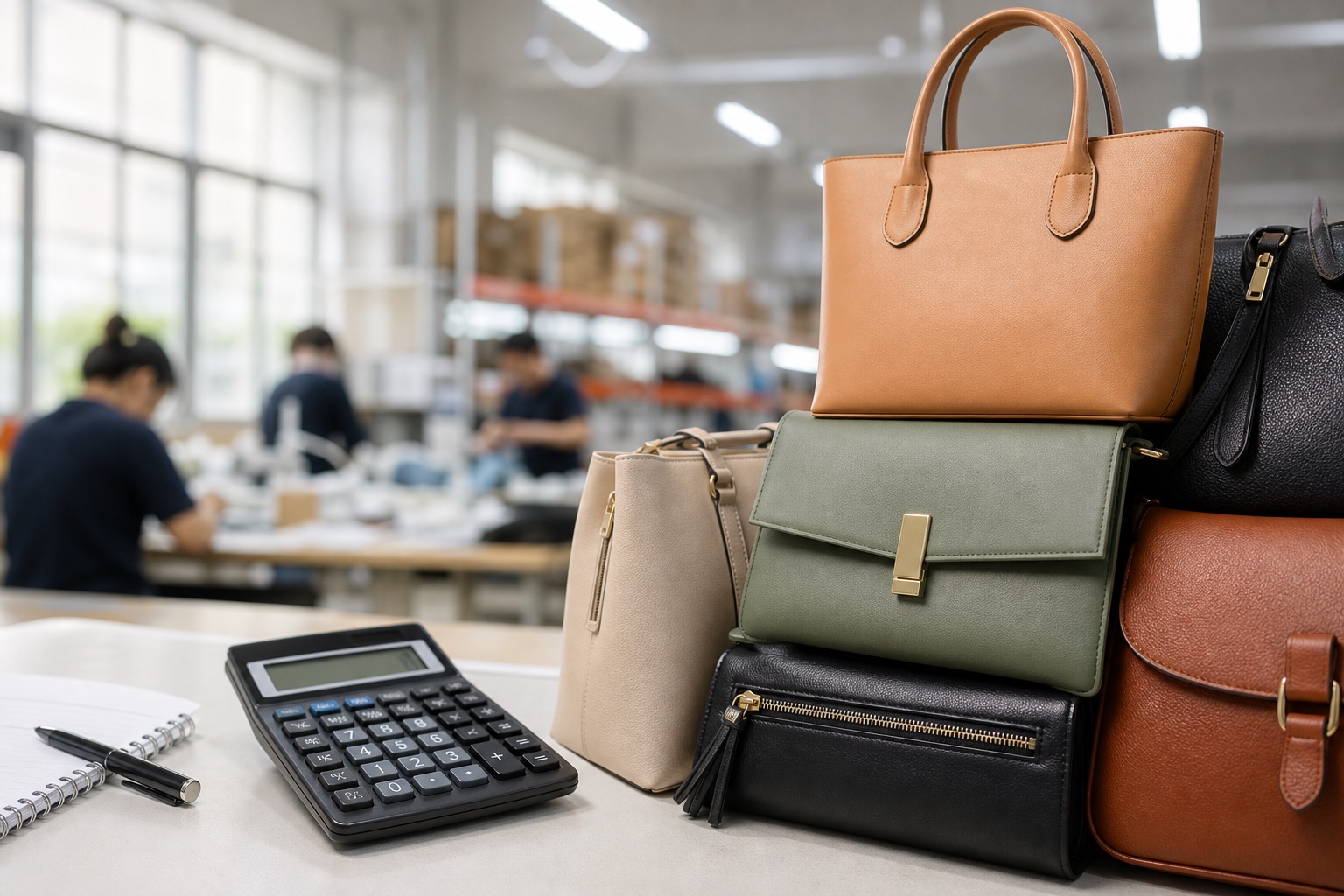
A factory quoting MOQ 1,000 is not being difficult—it is protecting unit economics so the order remains profitable for both parties. Orders below MOQ are sometimes accepted at a higher per-unit price to cover excess setup and material waste.
Typical MOQ Ranges by Bag Category
MOQ varies significantly by construction complexity, material, and customization level. The table below reflects common ranges from export-oriented Chinese bag factories in 2026:
| Bag Type | Typical MOQ | MOQ Driver | Negotiation Flexibility |
|---|---|---|---|
| Non-woven promo tote | 3,000–10,000 | Low unit value, high automation | Low—volume is the business model |
| Canvas / cotton tote | 500–2,000 | Fabric MOQ per color | Moderate—combine colors carefully |
| Standard backpack | 1,000–3,000 | Multiple materials, hardware | Moderate—stock fabric helps |
| PU / vegan leather bag | 500–1,500 | Material color MOQ, structure | Moderate—use stock colors |
| Genuine leather handbag | 300–800 | High material cost, skilled labor | Higher—premium pricing offsets |
| Custom-molded EVA / hard case | 2,000–5,000 | Mold cost amortization | Low until mold is paid off |
MOQ Per Color vs. MOQ Per Style
Clarify whether quoted MOQ applies per colorway, per size, or per style total. A factory quoting "MOQ 1,000" might mean 1,000 units per color—which doubles your commitment if you want black and navy. Always confirm MOQ structure before approving samples.
Factors That Raise or Lower Your Effective MOQ
Customization Level
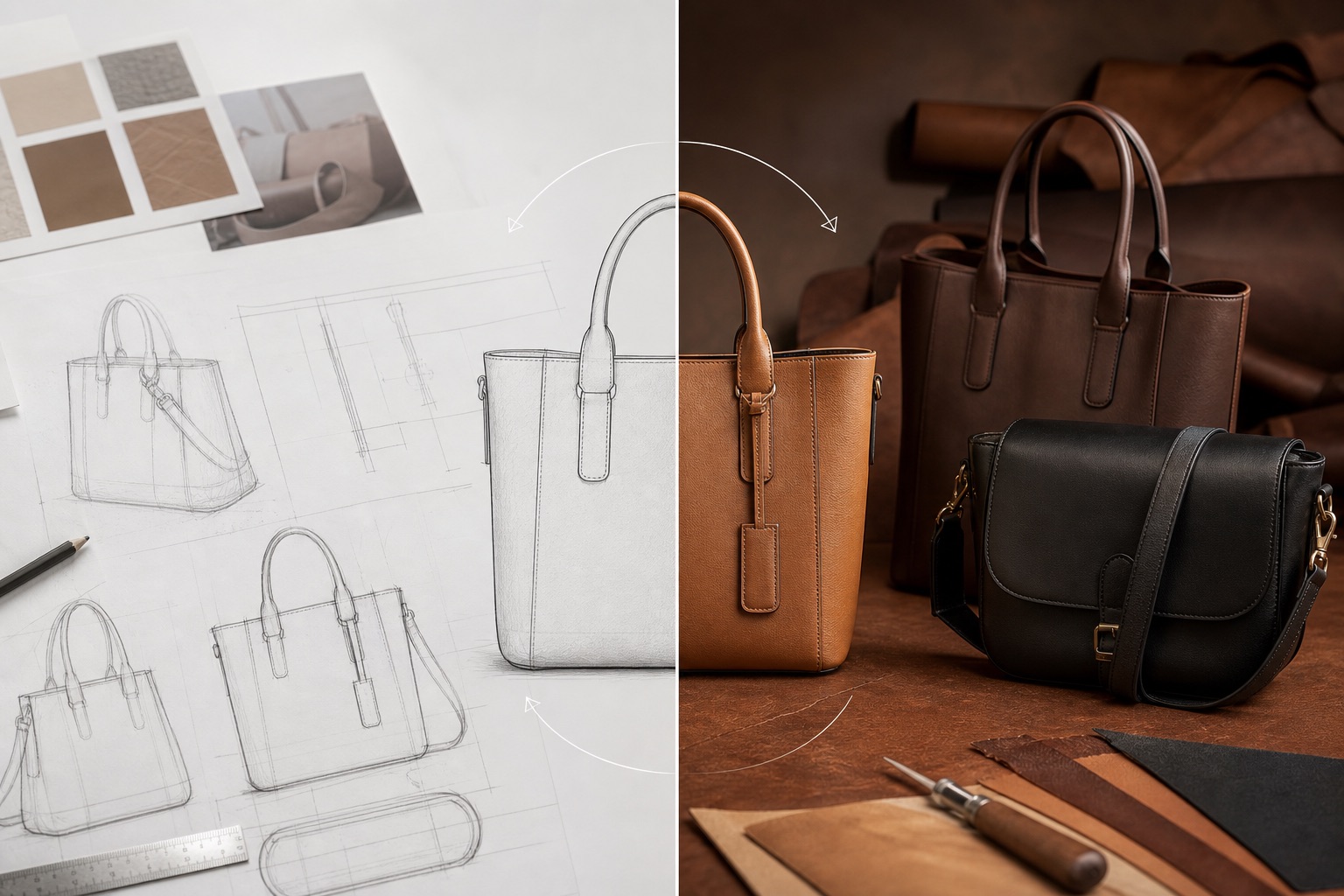
Stock designs with factory-standard materials carry the lowest MOQ. Custom fabric colors, proprietary hardware, unique zipper pulls, or bespoke lining prints each add minimums because suppliers upstream also enforce MOQs. Reducing customization is the fastest way to lower MOQ.
Material Selection
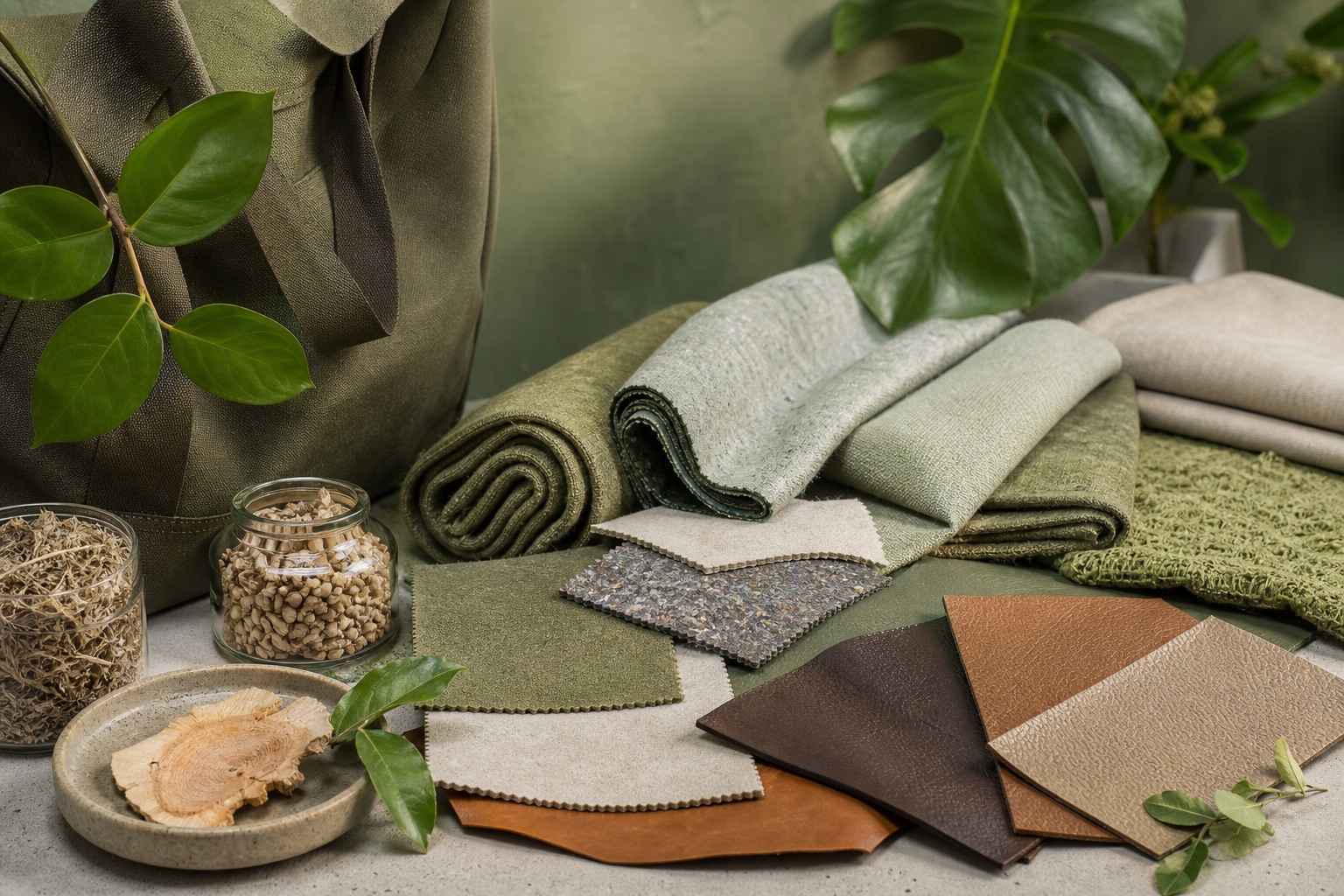
Using in-stock fabric from the factory's inventory eliminates mill MOQ constraints. Custom-dyed 600D polyester may require 1,000 meters minimum from the mill—even if you only need 400 meters for 500 bags. Ask which stock materials are available before finalizing your spec.
Branding Method
Screen printing on totes often requires MOQ 500–1,000 per design. Embroidery needs digitizing fees and machine setup. Heat transfer and woven labels have their own minimums. Simplifying to one branding location and one method reduces total MOQ pressure.
Strategies to Negotiate Lower MOQ on First Orders
Experienced buyers use these tactics without damaging long-term supplier relationships:
- Commit to a reorder: Offer a written forecast showing a second order within 60–90 days if the first run succeeds. Factories accept lower MOQ when they see pipeline potential.
- Pay a setup surcharge: Accept a higher unit price on a 300–500 unit trial in exchange for waived formal MOQ. Treat the premium as market-testing cost.
- Use stock components: Standard zippers, grosgrain ribbon, and factory catalog hardware avoid custom tooling MOQs.
- Consolidate SKUs: Order one style in two colorways rather than two completely different styles. Shared cutting patterns reduce setup.
- Combine with other buyers: Some factories or trading partners pool small orders (consolidation shipping). Verify quality consistency if using this route.
- Build relationship first: Start with a stock item at standard MOQ, pay on time, then negotiate custom development on order two.
When Low MOQ Is a Warning Sign
Extremely low MOQ combined with very low pricing can indicate a trading company subletting to an unvetted workshop, recycled off-brand materials, or no real QC process. Sustainable MOQ reflects real production economics. If one factory quotes MOQ 100 where others quote 1,000 for the same spec, investigate why before sending a deposit.
Planning Your Order Around MOQ
Work backward from MOQ when designing your assortment. If factory MOQ is 1,000 units per color and your budget supports 2,000 total, plan two colorways—not four SKUs at 500 each. Align MOQ math with cash flow, storage capacity, and realistic sell-through before signing a PO.
MOQ is not a barrier—it is a planning parameter. Buyers who understand factory economics negotiate better terms, choose smarter product specs, and build supplier relationships that scale. Use this guide as a reference in every RFQ, and you will spend less time on mismatched quotes and more time on products that sell.